 Akio
Akio
Every household depends on steady waste removal to keep daily routines running smoothly. Regular tank care limits excess buildup before drainage begins to slow. Homeowners can Learn More about suitable pumping practices while planning routine property care. Reliable Septic Pumping Supports Long-Term Wastewater System Performance Naturally by keeping storage space available for normal use. Simple attention throughout the year can reduce avoidable pressure on pipes plus underground parts.
What Keeps Systems Working?
Routine pumping removes collected solids before they occupy too much tank space.More available room allows liquid waste to move through the system correctly.
Scheduled care also helps households avoid sudden drainage problems during normal use.Regular service works best when owners understand their household habits. Water use plus family size can influence how quickly waste collects. Tank capacity also affects the suitable pumping interval.
When Should Pumping Occur?
There is no single schedule that suits every property.Several simple conditions can help determine when professional service is appropriate.
- Household size affects how quickly solid material fills tank space.
- Higher water use may increase pressure throughout connected drainage parts.
- Smaller tanks usually require closer attention during busy household periods.
- Slow sinks can provide an early warning of restricted flow.
- Previous service records help owners estimate future pumping dates accurately.
- Unusual outdoor moisture may indicate changes around underground waste areas.
- Frequent guests can temporarily increase the amount entering septic storage.
- Regular inspections reveal developing concerns before serious drainage trouble appears.
Keeping written records makes these signs easier to compare over time. During routine planning, homeowners may Learn More about service needs before deciding when another pumping visit is appropriate. Early preparation often makes maintenance easier to arrange.
What Affects Service Frequency?
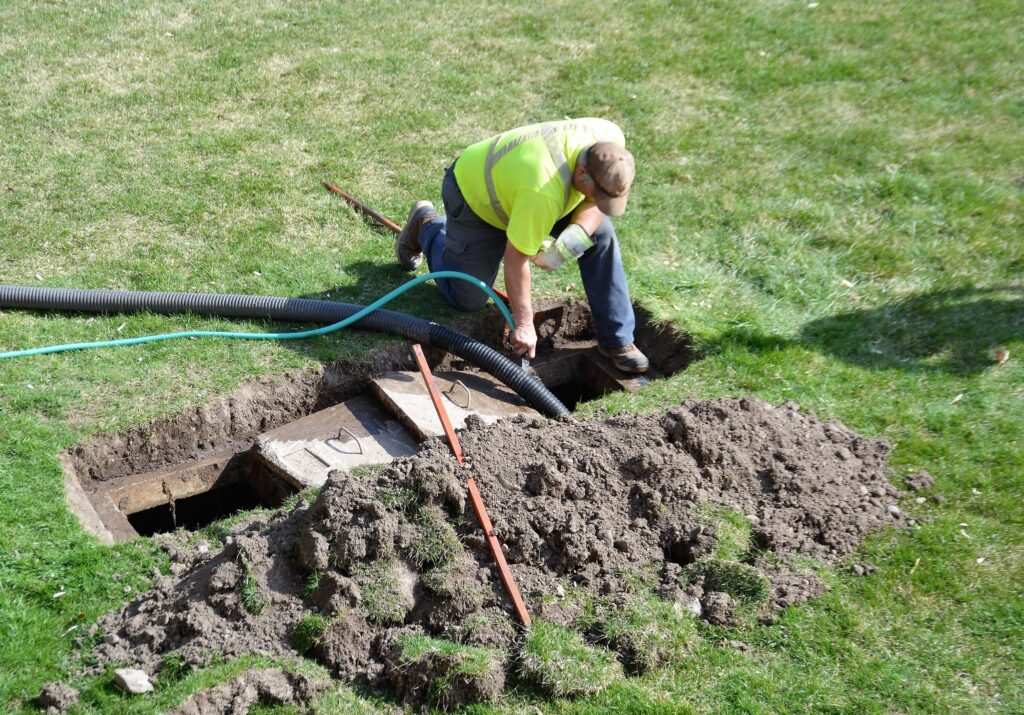
Daily habits can change how quickly a septic tank reaches its working limit.Large amounts of water entering within short periods may increase system strain.
Careful household use supports steadier movement through drains plus storage areas.Laundry schedules can be spread across several days. Leaking fixtures should also receive attention. Waste that does not belong in drains should stay out of the system.
Simple Performance Comparison
Several conditions influence septic operation in different ways.The following chart shows common factors plus their likely effect.
Comparing these conditions helps households identify changes before major trouble develops.Simple records also make future care decisions clearer plus more consistent.
Better Habits Protect Flow
Responsible household routines can support normal septic operation between service visits.Small changes may reduce unnecessary strain while keeping drainage more predictable.
- Repair dripping fixtures promptly to reduce unnecessary wastewater entering storage.
- Spread washing tasks throughout each week to control water demand.
- Keep cooking grease away from sinks to limit pipe buildup.
- Avoid flushing unsuitable materials that remain inside septic storage areas.
- Watch outdoor ground conditions for unusual moisture near buried components.
- Record each pumping date to support accurate future service planning.
- Check slow drains early before restricted movement becomes more serious.
- Arrange professional attention when several warning signs appear together.
These actions are simple enough to follow during ordinary household routines. They also support professional pumping rather than replacing it.
Common Septic Questions
Homeowners often want clear answers about everyday septic care.Short responses can make routine planning easier to manage.
- Does pumping improve drainage? Removing excess solids can support normal wastewater movement.
- Do larger homes need more service? Higher use may require closer monitoring.
- Should slow drains be checked? Repeated delays may indicate developing flow concerns.
- Does tank size affect timing? Smaller capacity can require more frequent attention.
- Are service records useful? Previous dates help estimate suitable future appointments.
Regular checks provide useful information between professional visits. Changes should be judged together rather than through one isolated sign.
Five Ways Care Helps
Long-term septic performance depends on steady maintenance plus sensible household use.Regular attention gives property owners more control over changing waste levels.
- Timely removal keeps useful tank capacity available for daily needs.
- Routine checks reveal small concerns before costly disruption becomes likely.
- Sensible water habits reduce unnecessary pressure across household drainage routes.
- Clear records make future maintenance dates easier to estimate correctly.
- Professional servicing supports cleaner movement throughout the complete waste system.
Steady Care Matters
Good upkeep depends on dependable habits rather than perfectly timed actions. Planned servicing keeps underground storage manageable across changing household demands. Careful water use also supports smoother movement through connected drainage areas. Written records provide clearer guidance whenever another service visit becomes necessary. Consistent action remains the strongest approach for dependable operation over many years.